

Mobile Apps Transforming Maternal & Child Health
Mobile Health (mHealth) & Community Health


Why Mobile Health Matters for Mothers and Children
Maternal and child health (MCH) remains a defining indicator of health system strength. In Kenya, preventable maternal deaths, neonatal mortality, missed antenatal visits, and delayed postnatal care continue to challenge progress toward Universal Health Coverage. At the same time, mobile phone penetration has exceeded 90%, creating a powerful opportunity: mobile health (mHealth) applications as frontline tools for saving lives.
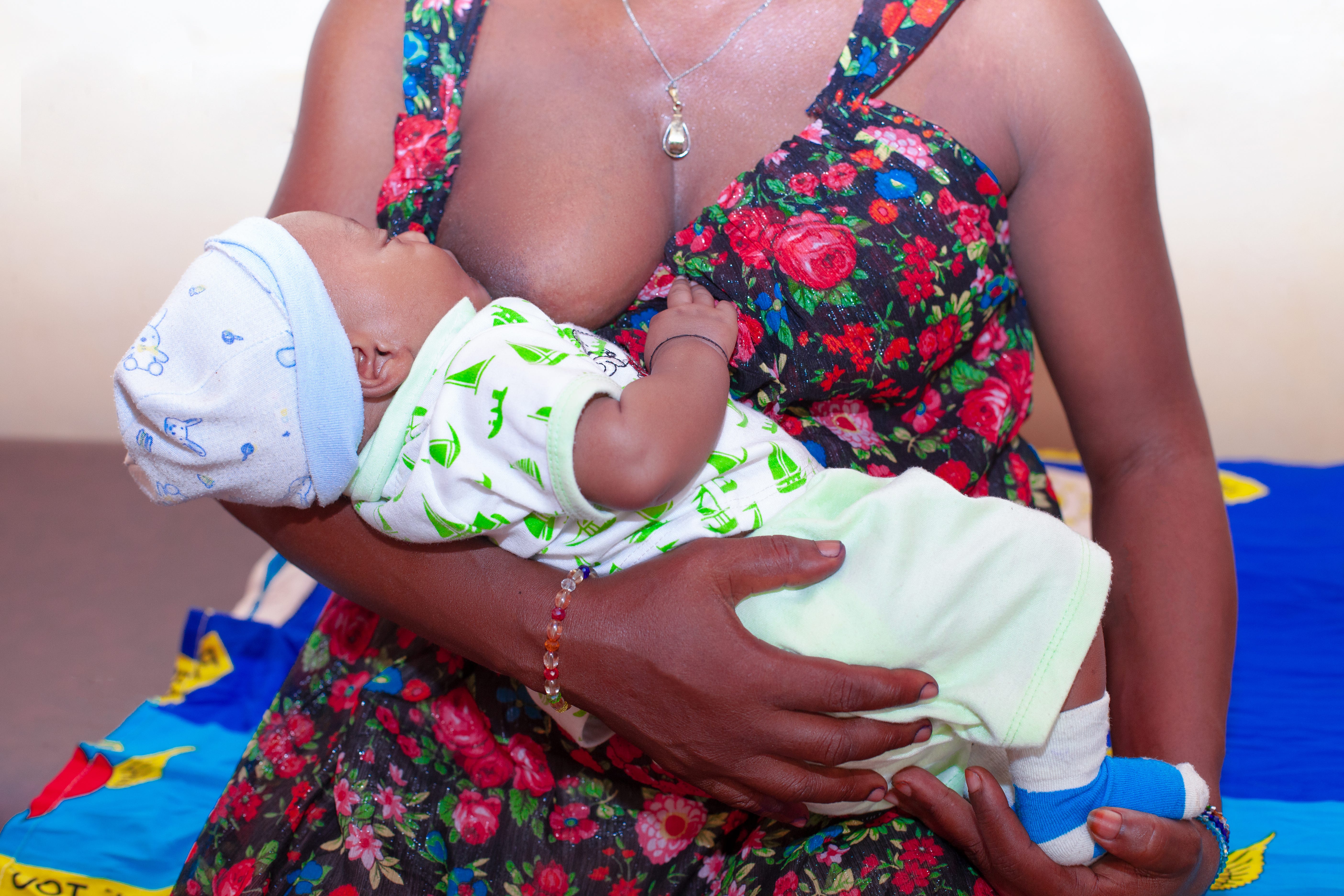
This week’s Kenya HealthTech Weekly explores how mobile apps are transforming maternal and child health—bridging gaps in access, empowering women, supporting healthcare workers, and generating real-time data for better decision-making.
Feature Article: How Mobile Apps Are Reshaping Maternal & Child Health Care
Mobile health applications have evolved from simple SMS reminders to sophisticated platforms offering appointment scheduling, danger sign alerts, teleconsultations, health education, and digital referrals. Evidence across low- and middle-income countries shows that mHealth interventions improve antenatal attendance, skilled birth delivery, immunization uptake, and postnatal follow-up.
What makes mobile apps particularly effective in maternal health is their continuity of care across the reproductive lifecycle—from pregnancy registration and ANC reminders to newborn care guidance and growth monitoring. Apps reduce dependence on physical facilities alone, allowing care to follow the mother rather than the other way around.
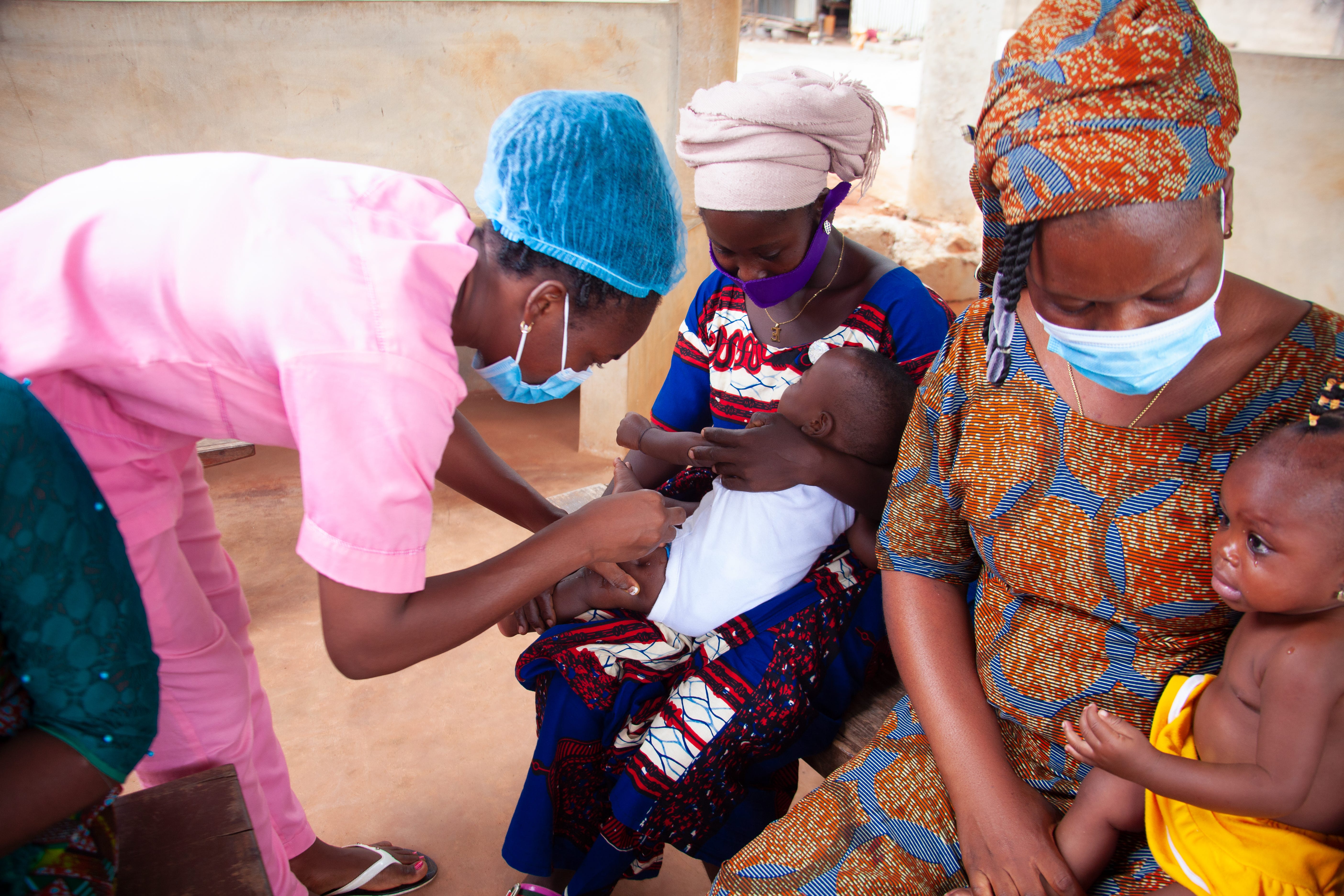
Cross-regional studies demonstrate that mHealth tools significantly reduce delays in seeking care by improving health literacy, strengthening communication between mothers and providers, and enabling early detection of complications. Importantly, these tools are not replacing clinicians—they are augmenting human-centered care, especially in underserved and rural communities
.
Expert Insights: What the Evidence Tells Us
Public health researchers consistently emphasize that the greatest impact of maternal mHealth applications lies in behavior change and decision support. Women who receive tailored, culturally appropriate messages are more likely to attend ANC visits, deliver in health facilities, and adhere to postnatal recommendations.
Clinicians highlight another benefit: task shifting and workload reduction. Digital checklists, automated reminders, and symptom triage tools support community health workers (CHWs), enabling them to serve more mothers without compromising quality.
However, experts also caution that effectiveness depends on usability, language localization, and integration with existing health systems. Apps that operate in isolation—without linkage to referral facilities or national health information systems—risk becoming digital silos rather than system-strengthening tools.
Tech Spotlight: AI-Enabled Maternal Health Apps
The next frontier in mHealth for maternal and child health is the integration of artificial intelligence and predictive analytics. AI-powered mobile apps can assess risk factors such as hypertension, anemia, previous obstetric complications, and symptom patterns to flag high-risk pregnancies early.
These tools enable proactive interventions—timely referrals, closer monitoring, and targeted counseling—before complications escalate. Some platforms are also integrating image analysis for ultrasound interpretation, chatbot-based maternal education, and automated triage systems.
For Kenya, AI-enabled maternal apps present an opportunity to extend specialist-level decision support to primary and community-level care, especially in counties with limited obstetric specialists.
Case Study: Mobile Apps Supporting Maternal Health in Resource-Limited Settings
Evidence from Sub-Saharan Africa shows that mobile-based maternal health programs significantly improve service utilization when embedded into existing health structures. In several settings, digital pregnancy tracking apps used by CHWs increased early ANC registration and improved follow-up for high-risk mothers.
One notable success factor is two-way communication. Programs that allow mothers to report symptoms and receive timely feedback outperform one-directional messaging systems. Additionally, apps that link mothers directly to nearby facilities reduce referral delays—one of the leading contributors to maternal mortality.
These findings are particularly relevant for Kenya’s devolved health system, where county-level digital maternal health platforms can be tailored to local service gaps while feeding into national monitoring frameworks.
Actionable Takeaways: Turning Apps into Impact
For healthcare professionals
Advocate for mHealth tools that integrate with routine maternal care workflows.
Use app-generated data to improve follow-up, referrals, and risk stratification.
For policymakers
Support regulatory frameworks that enable safe, ethical deployment of maternal health apps.
Invest in interoperability between mHealth platforms and national health information systems.
For healthtech innovators
Design with mothers, midwives, and CHWs—not just developers.
Prioritize offline functionality, local languages, and low-data usage.
For investors and partners
Fund solutions with demonstrated impact on ANC attendance, skilled birth delivery, and postnatal care.
Support scale-up of evidence-backed maternal health applications, especially in underserved counties.
References
Anfo, P. et al. (2024). Leveraging Mobile Health (mHealth) Applications for Improving Maternal and Child Health Outcomes: A Cross-Regional Study.
Free, C. et al. (2012). The effectiveness of mHealth technologies for improving health outcomes. Wiley Online Library.
World Health Organization & PMC. (2019). Digital health interventions for maternal, newborn, and child health.
JMIR mHealth and uHealth. (2018). Impact of mobile phone interventions on maternal health outcomes.
IIARD Journals. (2025). Enhancing maternal and child health through mobile health applications.
JMIR mHealth and uHealth. (2018). Mobile health interventions for maternal care in low-resource settings.
IEEE Xplore. (2017). Mobile-based systems for maternal health monitoring.
African Journal of Reproductive Health. (2025). mHealth adoption and maternal health outcomes in Africa.
ScienceDirect. (2024). Digital innovations transforming maternal and child healthcare.